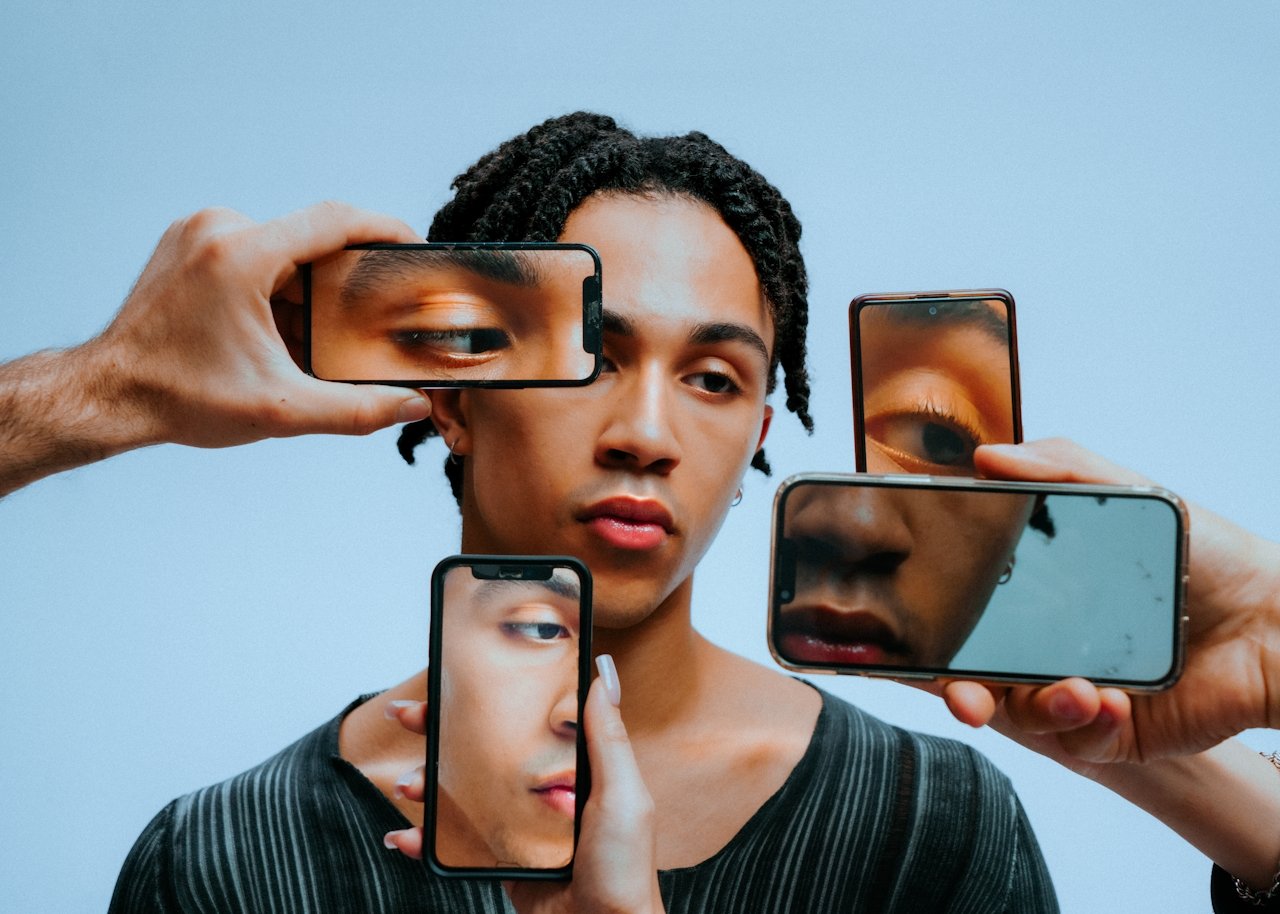
Gen Z’s Problem

Gen Z’s average screen time is 7-9 hours a day.
Born between 1997 and 2012, Gen Z was the first generation to grow up with social media, smart technology, and high-speed internet.
Outside of school and work, screen time consumes the remainder of their day, making it hard to manage real-life responsibilities and plan for their future.
Chronic distraction, self-comparison, and social anxiety are common, often interfering with school, work, and relationships.
For parents, it can be heartbreaking to watch a creative, intelligent adult child with so much potential stuck and unsure how to move forward in life.
It’s the damn phone.
The US Surgeon General recently said social media is a significant contributor to the mental health crisis among young people. We're just starting to see the effects of Gen Z being chronically online during their adolescence. These challenges, such as distraction, low motivation, and social anxiety, can sabotage success in school, work, relationships, and even finances. This makes "adulting" almost impossible. Many of us are "failing to launch," with nearly half of 18 to 29-year-olds still living at home with their parents.
But it’s not just the phone. It’s also:
-

LIVING THROUGH HISTORICAL EVENTS
From AI and climate change to war and genocide, our culture demands Gen Z pay attention to it all. Mentorship equips young adults with the tools to stay grounded, process their emotions, and focus on what they can control.
-

SOCIAL ISOLATION & INTIMACY STARVATION
With the loss of third spaces (not school or work) and social media replacing social opportunities, Gen Z feels more isolated and alone. Mentoring helps young adults find balance and deep connection in a world of transactions.
-

COMPULSIVE OVERCONSUMPTION
Constant dopamine hits leave many young adults lacking focus and motivation. Mentoring can help Gen Z break the cycle, learn self-discipline, and create, rather than consume.
To find success in the modern world, every Gen Z young adult needs to learn:
Life Skills
Self-Regulation
The Mindset
Many Gen Z young adults today lack essential life skills due to digital comforts and a culture of convenience. With minds wired for instant gratification, they feel stuck because they lack the discipline and motivation to stick with something when it's boring or difficult.
This is a tragedy because the best things in life take time to build.
As a Gen Z mentor, I stress this simple truth: practicing hard things is how we build character. The temporary discomfort of an awkward social situation, household responsibilities, or working with someone you don’t like actually strengthens your self-esteem, well-being, and independence.
Gen Z Lacks Basic Life Skills


Gen Z Struggles with Self-Regulation
Self-regulation is a crucial skill for a Gen Z young adult navigating the digital age. Binge-watching, gaming, and scrolling on social media can drain the brain’s dopamine reward pathways, leading to cycles of low motivation and burnout.
As a Gen Z mentor, I focus on evidence-based techniques to help young adults reset these patterns. Research consistently shows that these tools can help interrupt the addictive loop of instant gratification.
When Gen Z masters self-regulation, they shift from being passively controlled by outside forces to actively shaping their own destiny.
Gen Z’s Mindset
One of the biggest challenges Gen Z faces is the subtle programming of their mindset by the platforms they use every day.
Social media algorithms boost extreme content that distorts reality. Biased echo-chambers reinforce a narrow set of beliefs, breeding a cynical inner monologue about work, society, and relationships.
As a Gen Z mentor, I guide young adults through introspective journaling exercises to help them identify and challenge self-limiting beliefs. Then, we work to replace destructive ideas with productive, empowering ones.